Discover Full-Service Auto Repair Solutions to Keep Your Vehicle Running Smoothly
Maintaining a vehicle's performance necessitates a preventive approach to auto repair. Regular maintenance is vital to identify issues before they escalate. Understanding common services, such as oil changes and brake inspections, can aid in this process. Furthermore, choosing a reputable repair shop can make a considerable difference. Exploring these solutions can reveal how to keep a vehicle in optimal condition, but the specifics of effective maintenance strategies may surprise many owners.
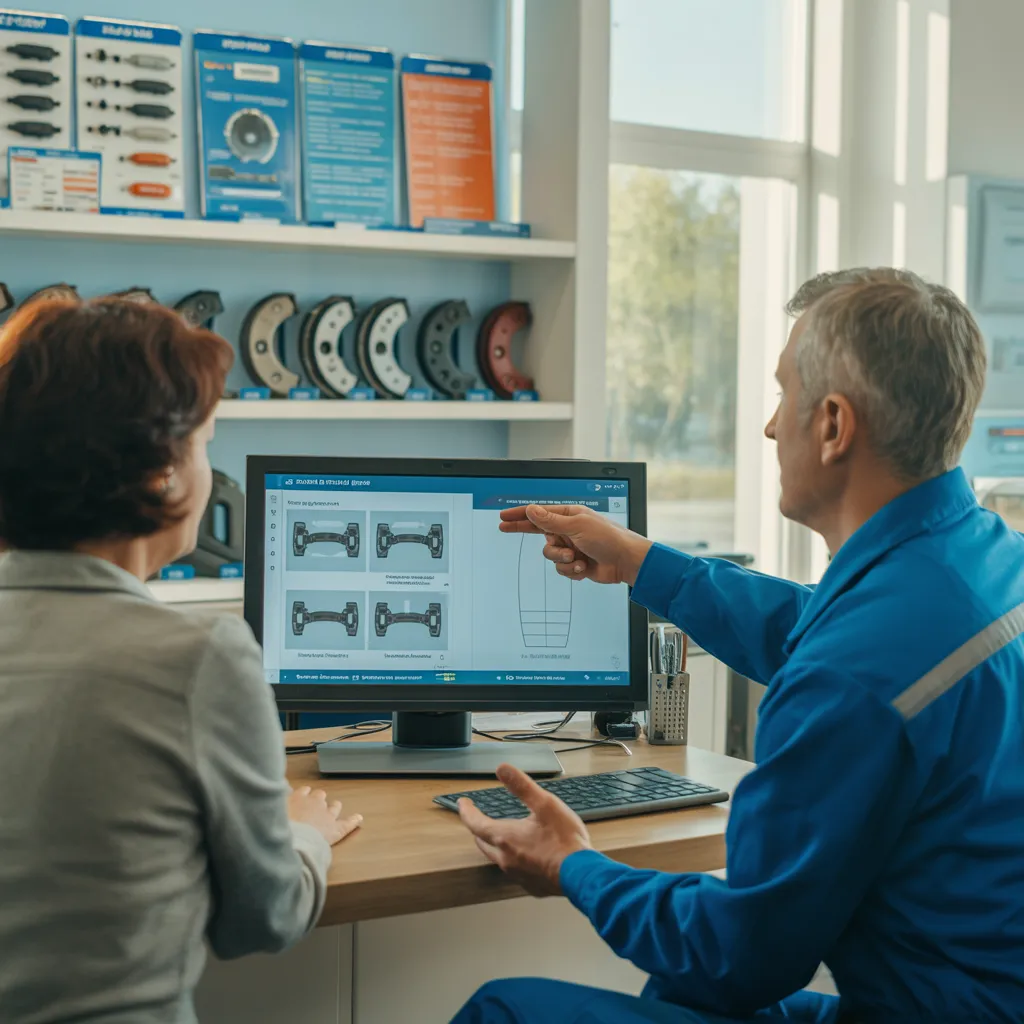
Significance of Regular Maintenance
While countless vehicle proprietors may ignore scheduled upkeep, the critical nature of regular maintenance must not be underestimated. Scheduled maintenance operates as a precautionary measure for vehicle management, remarkably extending an automobile's life expectancy and elevating its performance. It helps identify potential issues before they escalate into costly repairs. Furthermore, routine checks can improve fuel efficiency, ensuring that the vehicle operates at its ideal level. Protection constitutes another essential factor; adequately maintained cars are less apt to suffer breakdowns or crashes stemming from mechanical issues. Moreover, complying with a maintenance plan typically sustains warranty protection, delivering fiscal safeguards for owners. Finally, routine servicing is not just an advisory but a vital duty that straightforwardly influences a car's trustworthiness, protection, and complete value.
Typical Automotive Maintenance Solutions
Common auto repair services cover essential routine maintenance and critical brake system repairs. These services guarantee vehicles operate safely and efficiently, addressing wear and tear that can build up over time. Understanding these solutions helps vehicle owners make informed decisions concerning their automotive needs.
Regular Maintenance Services
Routine maintenance services play an essential role in safeguarding a vehicle's longevity and performance. These services typically include oil changes, fluid checks, tire rotations, and filter replacements. Consistent oil changes support optimal engine condition, while inspecting fluid levels ensures that all components operate efficiently. Rotating tires encourages uniform wear patterns, lengthening tire lifespan and strengthening safety. In addition, substituting air and cabin filters leads to better air quality and engine effectiveness. By sticking to a systematic maintenance plan, automobile owners can discover possible issues at early stages, decreasing the chance of high-cost repairs. Overall, these critical services copyright a vehicle's trustworthiness and productivity, delivering confidence to drivers and promoting a more pleasant driving experience.
Brake System Repair Services
Brake system repairs are crucial for ensuring vehicle safety and performance. This essential element of automotive care encompasses various elements, including brake pads, rotors, calipers, and brake fluid. Periodic examinations can identify damage, which, if left unaddressed, may cause reduced stopping power and elevated risk of accidents. Typical repair work encompass installing new worn brake pads, resurfacing or replacing rotors, and flushing brake fluid to sustain hydraulic efficiency. Technicians use testing instruments to examine the full braking system, verifying all elements function effectively. Regular brake system repairs not only boost safety while also improving extend overall vehicle durability, making them an important part of thorough vehicle maintenance services. Drivers should prioritize these services to maintain dependable operation.
Understanding Powertrain Diagnostic Analysis
Diagnostic testing of engines plays a key role in identifying issues within a vehicle's engine, ensuring ideal performance and longevity. Technicians commonly utilize diagnostic tools to collect and analyze error codes created by the vehicle's onboard computer system. Understanding these codes is vital for effective troubleshooting and applying proper fix procedures.
Value of Engine Diagnostics
While many vehicle owners may overlook the significance of engine diagnostics, comprehending this crucial element of vehicle maintenance can stop pricey maintenance and boost car performance. Engine diagnostics entails systematically evaluating a vehicle's engine systems to pinpoint potential issues before they worsen. Prompt diagnostic testing may uncover problems such as combustion problems, inefficient fuel use, and emission system malfunctions, which, if left untreated, may result in substantial harm and costly fixes. Additionally, regular diagnostics help maintain optimal motor efficiency, increasing fuel effectiveness and expanding the vehicle's lifespan. By making engine diagnostics a priority, vehicle owners can verify their automobiles perform optimally, decrease the probability of failures, and ultimately preserve financial resources eventually. Committing to this maintenance is a proactive approach to vehicle maintenance.
Frequently Used Evaluation Tools
Efficient engine diagnostics are built upon a collection of common diagnostic tools that assist mechanics in identifying and resolving vehicle issues. One vital tool is the OBD-II scanner, which connects to the vehicle's onboard diagnostics system, allowing technicians to retrieve trouble codes and monitor engine performance. Additionally, multimeters are essential for measuring electrical signals, assisting in diagnose issues connected to sensors and wiring. Compression testers evaluate the engine's internal health by measuring cylinder pressure, while timing lights verify that spark timing is properly aligned. Vacuum gauges can reveal manifold pressure issues, signaling potential leaks or blockages. Together, these tools provide a comprehensive understanding of engine condition, facilitating effective repairs and maintenance for peak vehicle performance.
Reading Diagnostic Codes
How can mechanics accurately interpret diagnostic codes to diagnose vehicle issues? Understanding these codes necessitates a combination of technical proficiency and the use of specialized diagnostic tools. Mechanics employ On-Board Diagnostics (OBD-II) systems to retrieve codes that indicate specific problems within the vehicle. Each code corresponds to a specific issue, ranging from engine misfires to sensor failures. Experienced technicians assess these codes in concert with real-time data from the vehicle's performance metrics. This holistic approach permits them to identify the root cause of the problem rather than merely addressing symptoms. Furthermore, staying updated with manufacturer guidelines and service expert guide bulletins improves their ability to interpret diagnostic codes effectively, ensuring correct and efficient repairs that keep vehicles running smoothly.
Brake Safety and Services
Maintaining vehicle safety copyrights considerably on the effectiveness of brake services. Adequate brake maintenance is crucial for averting accidents and ensuring smooth vehicle operation. Regular inspections can identify worn pads, damaged rotors, or fluid leaks that may undermine braking performance. Technicians emphasize the importance of addressing these issues promptly to avoid more severe damage and costly repairs in the future. Additionally, understanding the signs of brake wear, such as grinding noises or reduced responsiveness, can help drivers in seeking timely assistance. Routine brake service not only improves safety but also increases the lifespan of braking components. Finally, a well-maintained brake system is necessary for peak vehicle performance and driver confidence on the road.
Picking the Right Auto Repair Shop
Selecting the right auto repair shop can significantly impact the quality of vehicle maintenance and repairs. It is essential for vehicle owners to consider several factors when making this decision. Initially, researching the shop's reputation through online reviews and referrals from friends can provide valuable perspective. Moreover, verifying certifications and qualifications of the mechanics confirms that the shop has the necessary expertise. A reliable auto repair shop should also offer transparent communication regarding services and repairs, allowing customers to make informed decisions. Additionally, a tidy and spotless facility often reflects the professionalism and commitment of the technicians. Ultimately, choosing a reputable auto repair shop can lead to lasting vehicle health and increased safety on the road.
Budget-Friendly Services for Car Upkeep
While vehicle maintenance can occasionally seem pricey, there are several cost-effective solutions that can help owners manage their expenses without giving up quality. Regular preventive maintenance, such as oil changes and tire rotations, can extend a vehicle's lifespan and minimize the probability of expensive repairs. Utilizing DIY techniques for minor repairs or routine checks can also conserve money, while staying informed about recalls and warranty services guarantees that owners take advantage of manufacturer support. Furthermore, shopping around for competitive auto repair rates and seeking out local mechanics can generate significant savings. By emphasizing maintenance and adopting a proactive approach, vehicle owners can keep their cars in excellent condition without exceeding their budget.
Questions & Answers
What's the Recommended Oil Change Frequency?
Usually, it is recommended to change oil every 3,000 to 5,000 miles, depending on the vehicle and oil type. Regular maintenance guarantees optimal engine performance and longevity, stopping potential issues and encouraging smoother operation.
How Do I Know My Transmission Needs Repair?
Symptoms of transmission problems include gear slippage, uncommon sounds, fluid leaks, warning lights, hesitant shifting, or a burning smell. Timely addressing of these signs can avert further damage and ensure vehicle dependability and safety.
Can I Perform My Own Vehicle Maintenance?
People can conduct their own vehicle maintenance when they have the essential tools, knowledge, and skills. That said, they should confirm they observe safety protocols and manufacturer guidelines to prevent potential mistakes or safety hazards.
What Steps Should I Take if My Check Engine Light Is On?
When the check engine light turns on, the driver should initially inspect for an improperly secured gas cap, then utilize an OBD-II scanner to determine the cause, and contact a professional mechanic if needed for comprehensive diagnosis.
How Do Weather Conditions Affect Vehicle Performance?
Weather patterns significantly affect vehicle performance. For instance, severe temperatures can affect battery efficiency, while wet conditions can reduce traction and extend stopping distances, demanding changes in driving habits and vehicle maintenance practices for safety.
Comments on “Working With the Best Auto Repair in Reading PA”